
The Biomaterials Lab at Rice University hosted the 8th Annual Biofabrication Workshop on March 30th, 2026. Over twenty participants registered for the workshop, including students and researchers from Rice and other institutions in the Texas Medical Center.
This year’s workshop focused on the clinical applications of 3D printing, with an emphasis on orthodontics and point-of-care applications. The participants had the opportunity to network with experts in the field and learn more about the real-world applications of 3D printing.
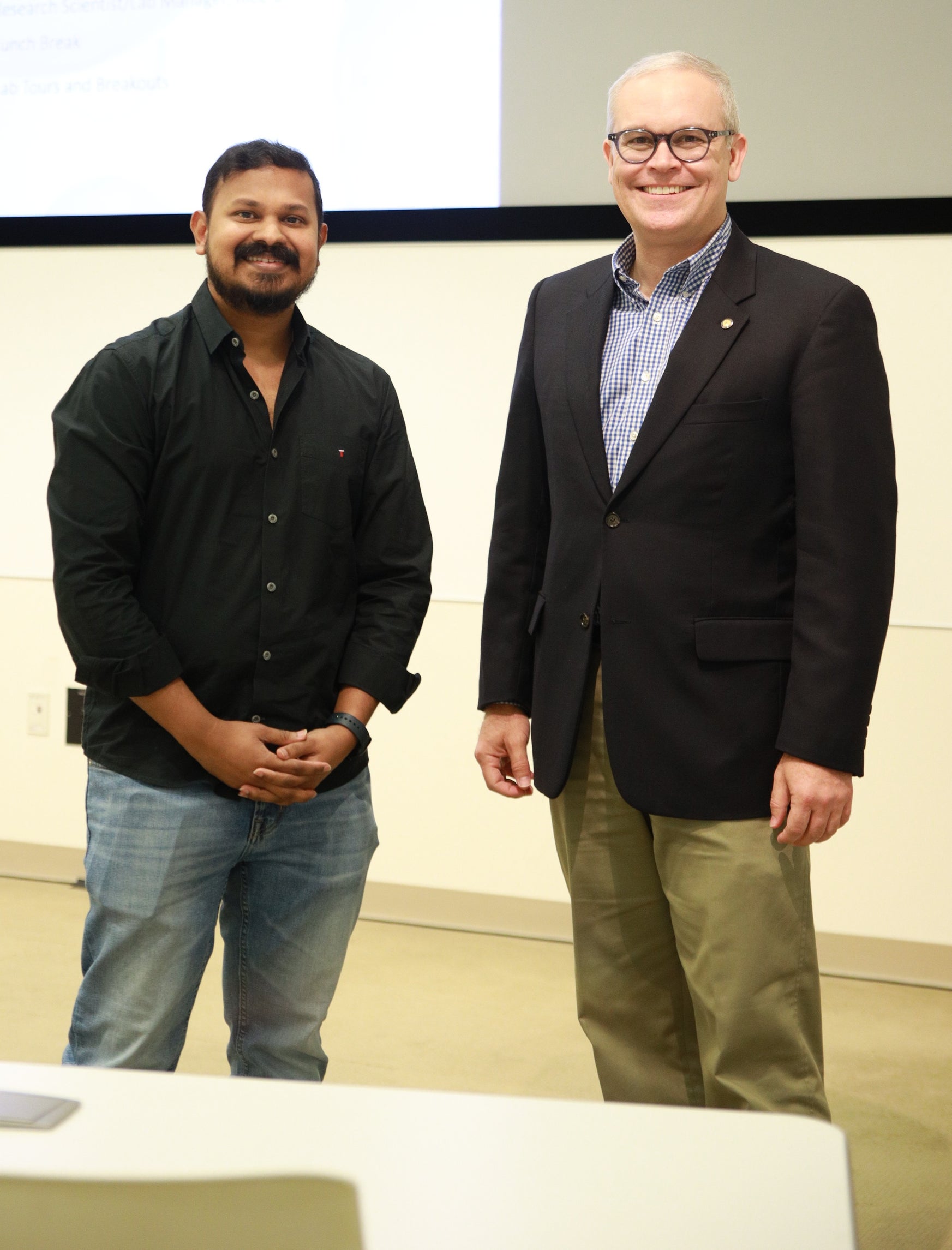
Dr. Uday Jammalamadaka, Lab Manager of the Biomaterials Lab, presented on the principles of additive manufacturing. His talk covered fundamental topics, including different 3D printing technologies, components and properties of bioinks, crosslinking mechanisms, and current challenges in bioprinting.
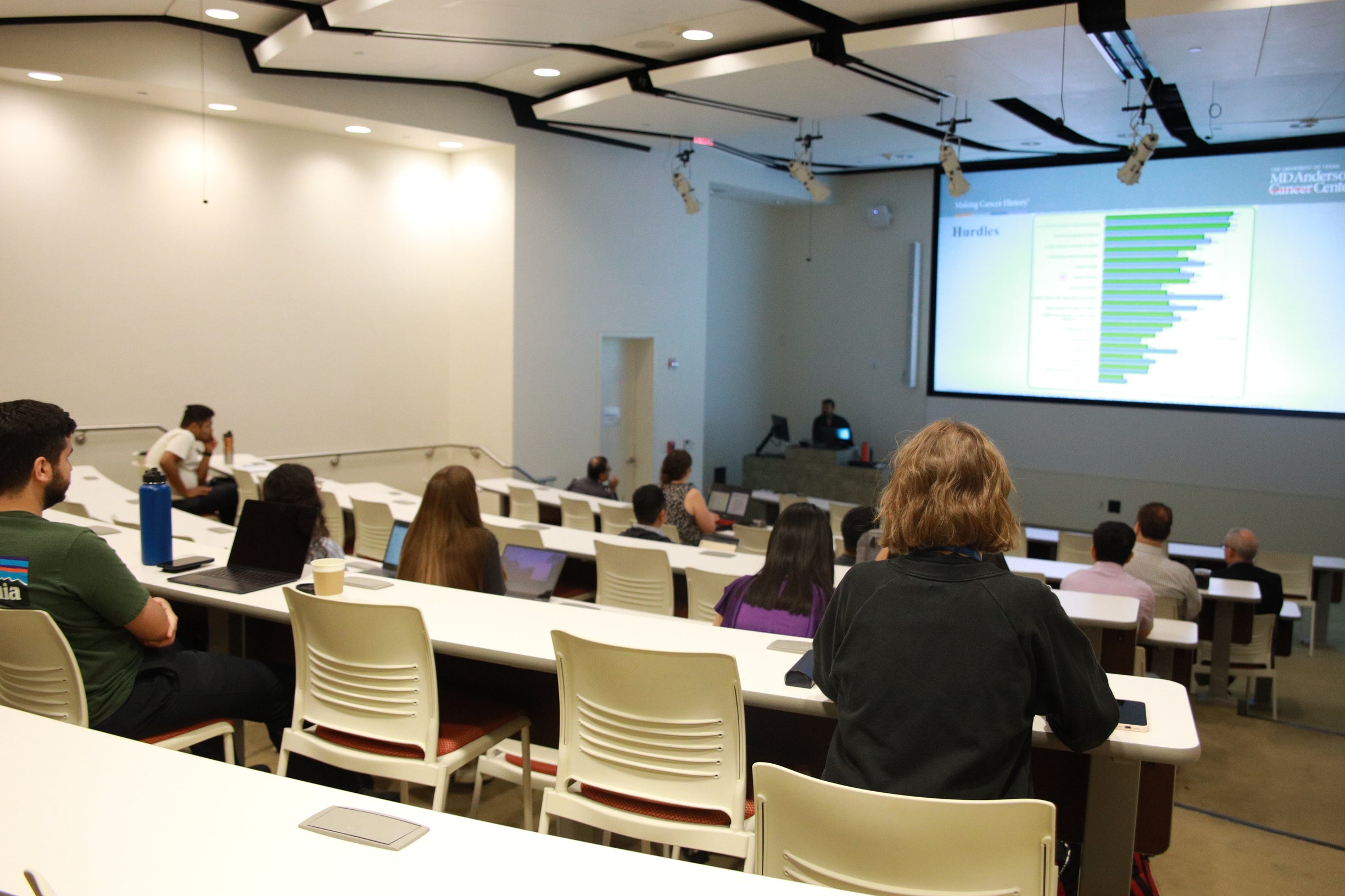
The first guest lecture of the workshop was presented by Dr. Karthik Tappa, an Anatomic 3D Printing Engineer at the University of Texas MD Anderson Cancer Center. Dr. Tappa presented his work on creating complex anatomic 3D models and on printing them for surgeons to plan intricate procedures. Dr. Tappa’s talk emphasized how 3D printing has changed the surgical planning process, using intraoperative navigation tools and 3D-printed anatomical models to improve outcomes and significantly decrease operating time.
The second guest lecture was delivered by Dr. Kurtis Kasper, Professor and the Research Director at the UTHealth Houston School of Dentistry. Dr. Kasper’s presentation focused on evaluating orientation and layer height on print fidelity, a critical aspect in the fabrication of orthodontic devices. Dr. Kasper also highlighted his work on developing 3D-printed scaffolds for the treatment of critical-size defects in cranio-maxillofacial surgeries.
In addition to the lectures, Dr. Jammalamadaka provided a hands-on demonstration on how to create complex anatomical models for biofabrication using computer tomography data, process 3D files to meet research-specific needs, and use slicing methods to bioprint scaffolds with multi-material extrusion-based 3D bioprinters.
The workshop concluded with a tour of the Biomaterials Lab, where attendees explored state-of-the-art equipment. We were delighted to see participants connect with fellow researchers and learn about the various resources available within the lab. Overall, the workshop was a huge success, and the Biomaterials Lab looks forward to hosting the event again next year, continuing the tradition of education, collaboration, and innovation through these outreach programs.