
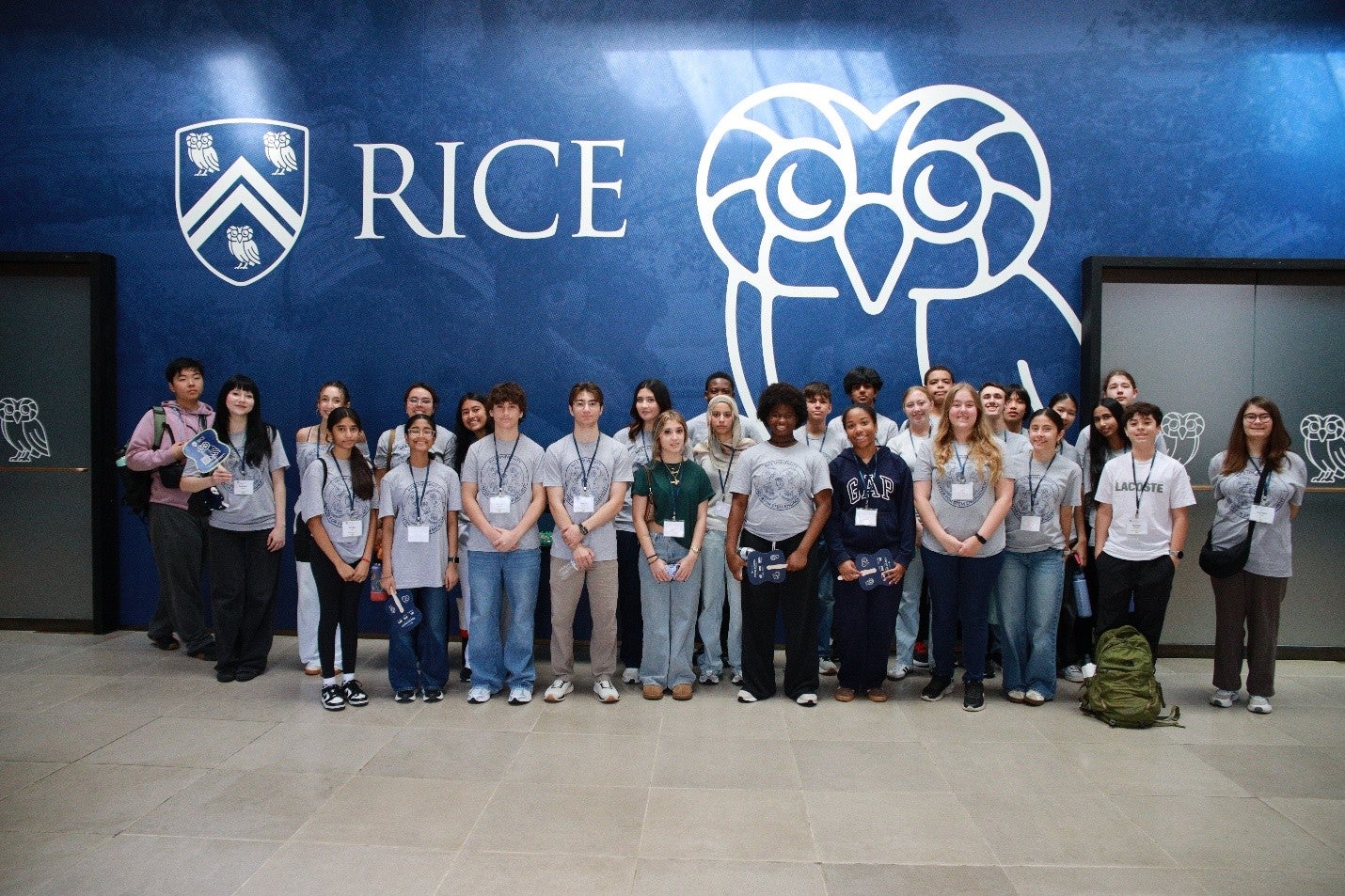
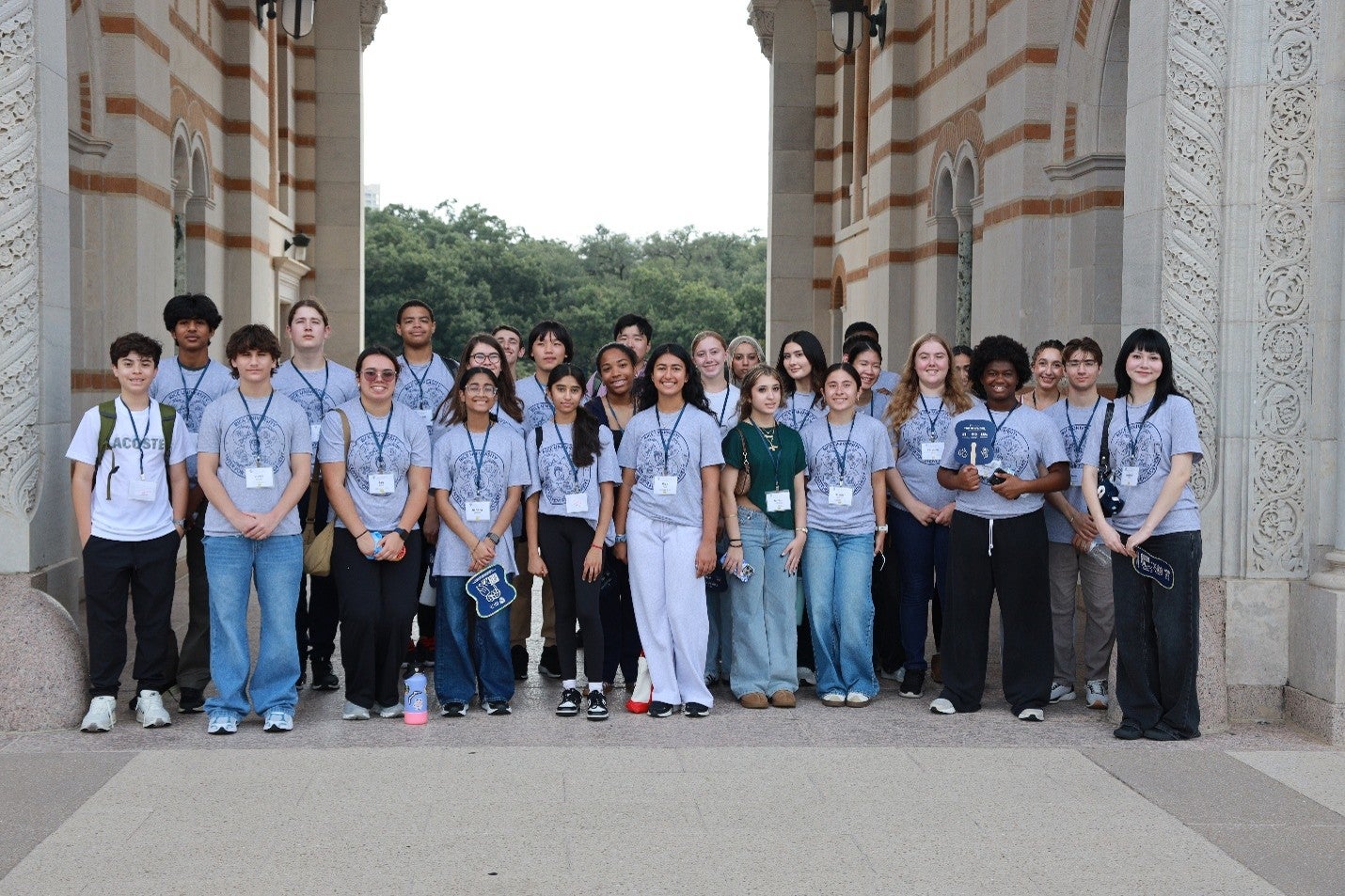
This July, the Biomaterials Lab (BML) at Rice University, in partnership with the Rice Office of STEM Engagement (RSTEM), opened its doors to sixty high school students for a pair of immersive, week-long Biotechnology Academies. Running concurrently during the weeks of July 6th and July 20th, each cohort brought together 30 students from a diverse tapestry of local public and private schools. The mission of the academy was to translate abstract scientific concepts from textbook pages into tangible, hands-on discoveries within a university research environment equipped with advanced biomedical instrumentation.
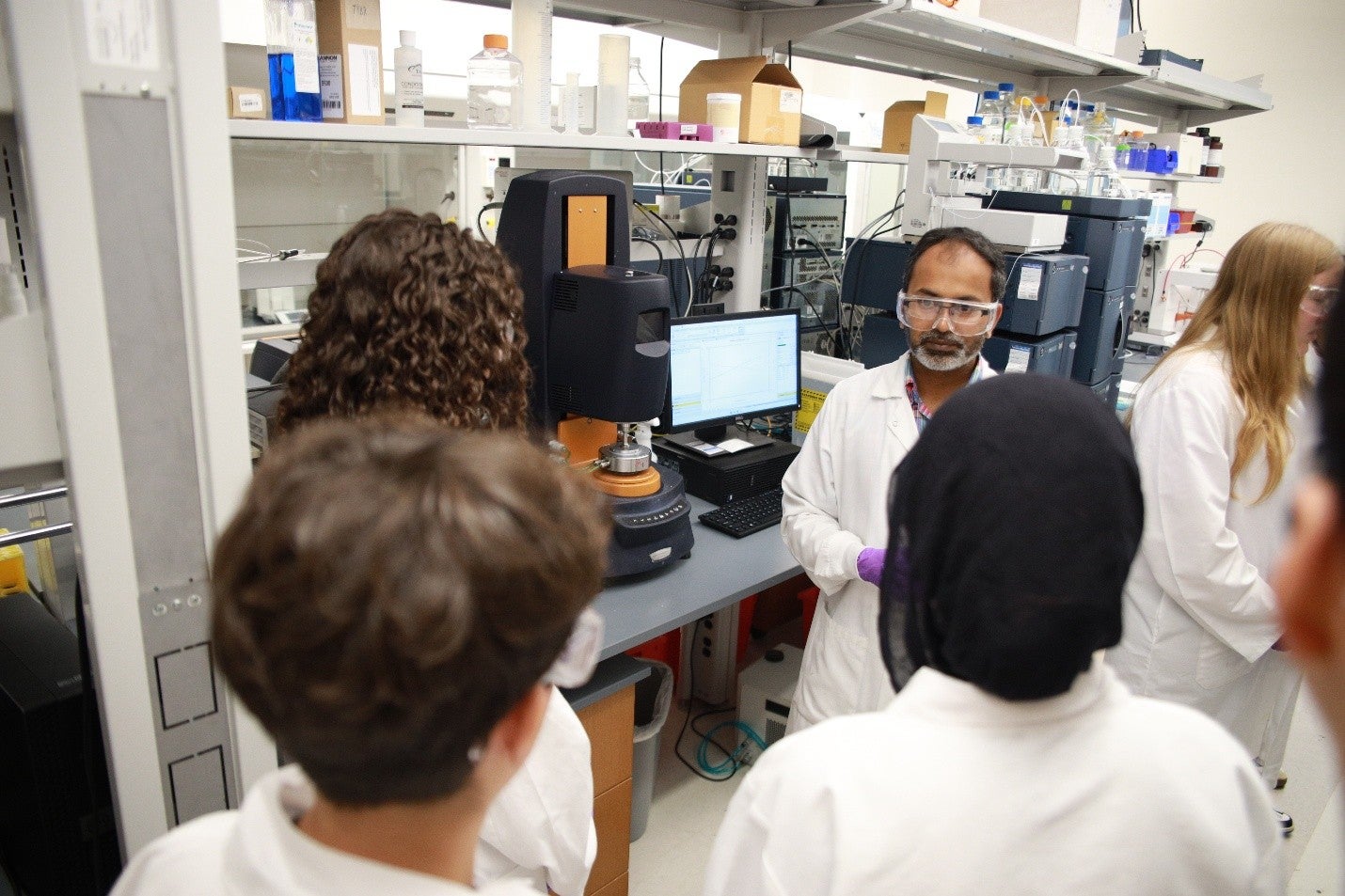
Driving the academy's second week, BML Lab Manager Uday Jammalamadaka took an active, hands-on role in the classroom. He directly guided students through advanced concepts in materials science and molecular biology, leading interactive lectures and fostering essential teamwork throughout their lab work.
From Crime Scenes to Cellular Engineering
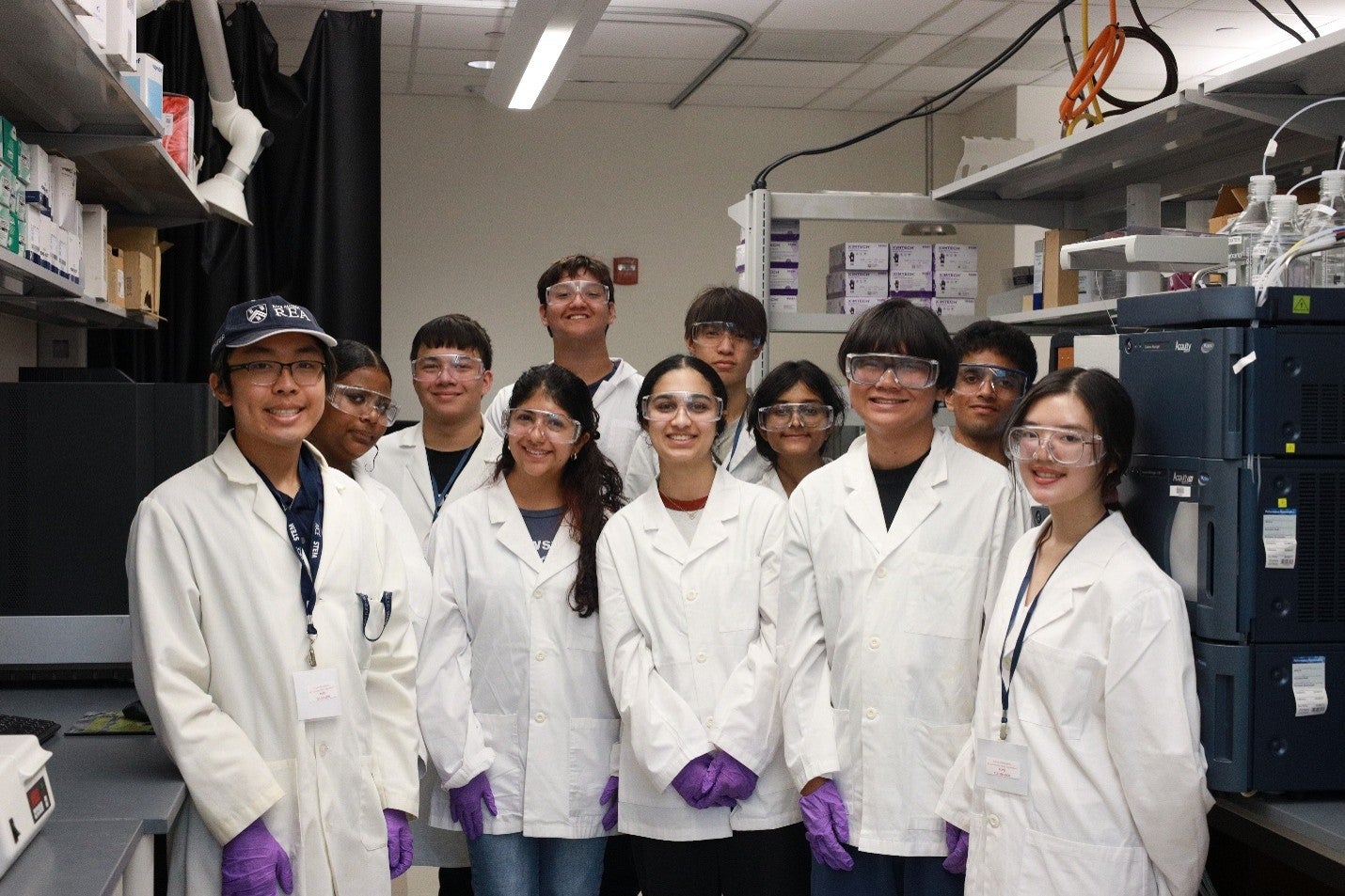
The academy’s curriculum was deliberately structured to move students from foundational laboratory techniques to advanced visual and material analysis. Rather than observing from the sidelines, students immediately donned lab coats and safety goggles to dive into active scientific workflows.
Students gained direct experience with fundamental biotech protocols, mastering:
- Pipetting and Molecular Diagnostics: Navigating the exact fluidics required for modern research.
- Gel Electrophoresis and PCR: Amplifying and separating DNA fragments to analyze genetic profiles.
- Blood Grouping assays: Understanding the clinical mechanics of hematology and donor matching.
These molecular techniques culminated in a highly collaborative, investigative crime scene scenario. Tasked with solving a mystery using hair DNA samples recovered from a simulated scene, students applied their newly acquired polymerase chain reaction (PCR) and gel analysis skills to identify suspects, mirroring real-world forensic science pipelines.
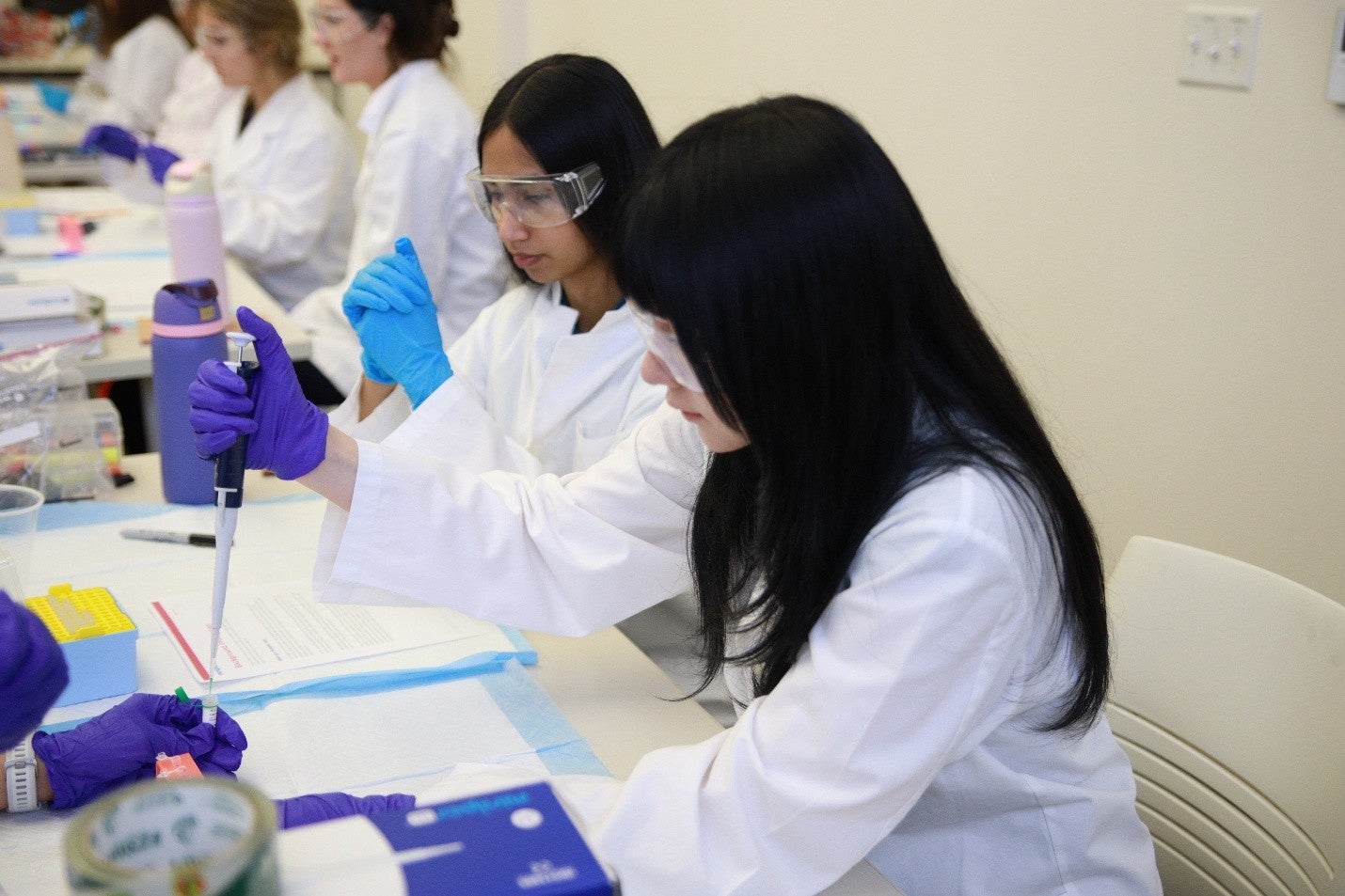
Transitioning from macro-investigations to cellular design, students explored the emerging biomaterials technologies. Through a hands-on project utilizing Bouy beads, the cohorts learned the principles of encapsulation. They successfully used alginate, a natural polymer derived from seaweed, to encapsulate photosynthetic cyanobacteria, creating living biomaterial systems. This experiment introduced them to the rapidly growing field of synthetic biology and sustainable engineering solutions.
Accessing the Micro-World: Advanced Instrumentation
A hallmark of the BML-RSTEM experience was giving high schoolers access to advanced research instrumentation typically reserved for graduate students and faculty. Following a comprehensive tour of the Biomaterials Lab facility, students spent significant time operating two cornerstone analytical tools:
Scanning Electron Microscopy (SEM)
Students moved beyond traditional microscopy to explore nanoscale structures using scanning electron microscopy (SEM), gaining firsthand experience with instrumentation used in modern materials research. They analyzed the complex surface topologies of everyday and scientific specimens, including:
- Salt crystals: Revealing perfect cubic geometries.
- Pollen grains: Displaying intricate, alien-like spikes designed for adhesion.
- Diatomaceous earth: Unveiling the microscopic, porous silica skeletons of ancient algae.
- Paper fibers and human hair: Exposing the detailed structural textures invisible to the naked eye.
Rheology
To demystify the complex physics of matter flow, the lab featured an interactive introduction to non-Newtonian fluids. Using familiar, tactile materials like Oobleck and ketchup, the BML manager demonstrated how viscosity changes under varying shear rates or stress. Students then validated these observations using a research-grade rheometer, plotting the precise flow behaviors of materials that defy standard Newtonian physics.
Inside the Lab and Across the Campus
Beyond the lab bench, the academy focused on expanding the students' horizons regarding what a career in STEM looks like. The cohorts took a deep dive into the university environment with an expansive Rice campus tour that anchored them in the culture of a premier research institution.
The technical curriculum was further enriched by insights from prominent figures in the scientific community:
"Hearing from active researchers bridges the gap between doing an experiment and understanding how that experiment can change the world."
- Dr. Yousif Shamoo, Ralph and Dorothy Looney Professor of BioSciences at Rice, spoke to the students about the global challenge of bacterial evolution and the rise of "superbugs," contextualizing the need for novel antibacterial solutions.
- Dr. Martha Fowler, CEO and Founder of Steer Bio Inc., shared her unique journey at the intersection of academia and industry. Fowler provided students with a roadmap of the biotechnology startup ecosystem, detailing how therapies move from a lab breakthrough to a commercial entity capable of treating patients.
Cultivating Tomorrow's Scientists
By embedding students in a high-density learning environment alongside dedicated mentorship, the BML and RSTEM biotech academy did more than teach laboratory protocols; it fostered a collaborative scientific community. As these sixty students return to their respective public and private high schools this fall, they carry with them not just a certificate of completion, but the distinct confidence that comes from operating top-tier instrumentation and solving real-world biological puzzles.
The Biomaterials Lab continues to cement its role not only as a hub for advanced research at Rice University but also as a vital launchpad for the next generation of scientific pioneers.