|
ORD Workshop Sessions Fall 2026
|
This fall the Office of Research Development Services is providing a robust selection of workshops designed to provide faculty members, research scientists, and postdocs with a high-level overview of the entire research and proposal development process, from conducting efficient funding opportunity searches, to understanding agencies’ missions, to obtaining insights into assessing and evaluating broader impacts. Other workshops will give you an opportunity to learn about research development in the age of artificial intelligence, funding opportunities for early and mid-career faculty, and principles of graphic design, which can inform the development of project schematics and other figures and enhance the visual appeal of your proposals. It promises to be an exciting semester, and we look forward to meeting and working with you!
|
|
|
Speakers: Vasudha Bharadwaj, PhD, and Ted Walker, MFA
|
Wednesday, September 23 (11:00 a.m. to 1:00 p.m.)
|
The Office of Research Development (ORD) partners with the Office of Foundation Relations (OFR) for this session. We discuss the similarities and differences between federal and foundation sponsors, and examine the best practices in producing competitive grant applications for a variety of opportunities. The session will walk you through assessing fit, thinking strategically, and preparing the most competitive proposals as you build a diverse funding portfolio.
|
|
|
|
|
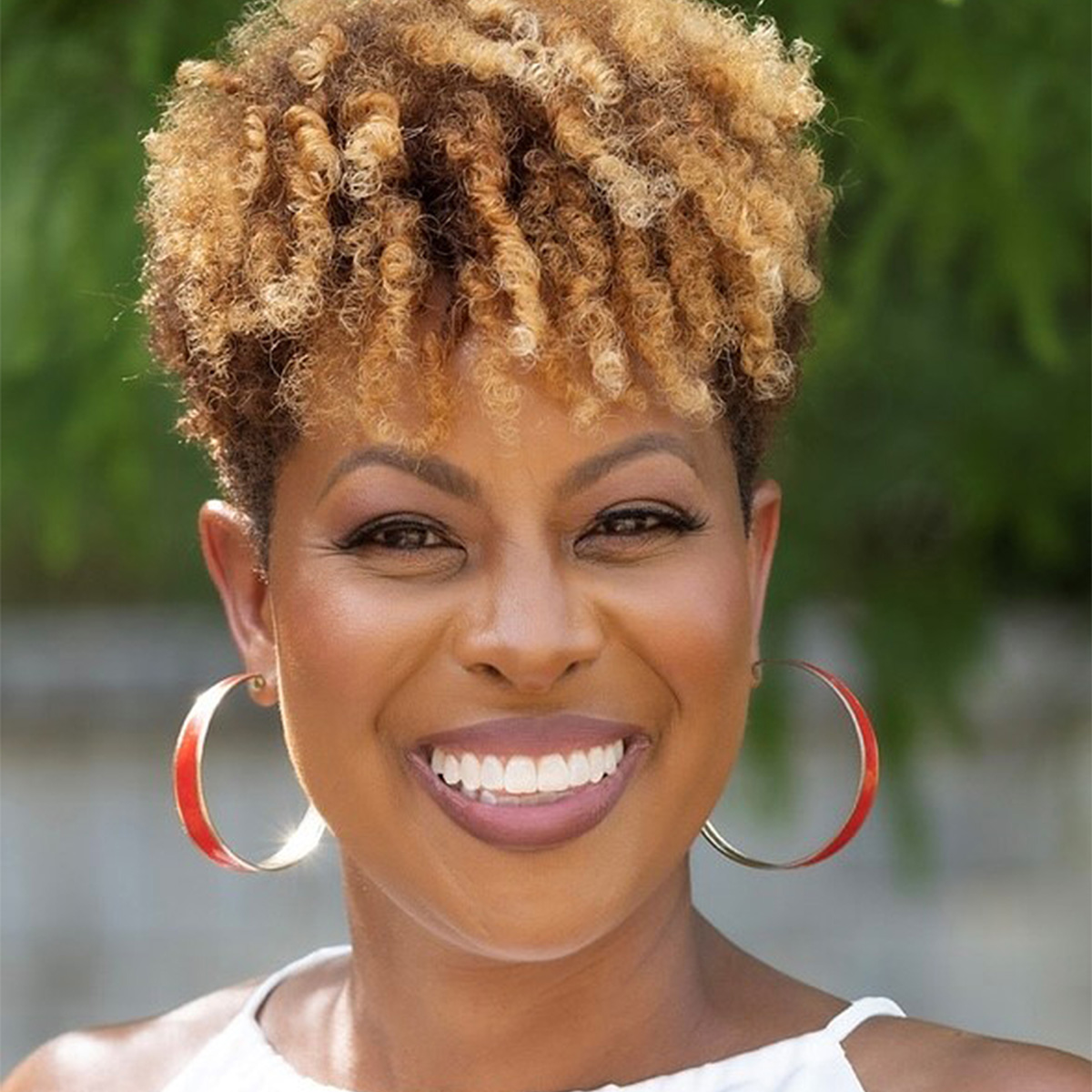
Speakers: Kimberly Leeks, PhD
|
Wednesday, September 30 (11:00 a.m. to 1:00 p.m.)
|
What do assessment and evaluation really mean and how can they strengthen your proposals and funded projects? In this interactive workshop, attendees will explore the difference between the two, why funders increasingly expect both, and how practical, right-sized approaches can support learning, adaptation, and impact. The session will also highlight how ORDS partners with research teams to provide assessment and evaluation support during proposal development and throughout the life of an award.
|
|
|
|
|
Speakers: Jonathan Meyer, MFA
|
Wednesday, December 2 (11:00 a.m. to 1:00 p.m.)
|
New technologies have always impacted the ways we communicate with our students, our colleagues, and even our research sponsors. While the current slate of AI-based platforms has promised to increase productivity across sectors, it raises complex questions around transparency, veracity, responsibility, and academic honesty. Tailored to sponsored researchers and grant seekers, this lively and informative discussion will put human beings in a room together to explore the promises and pitfalls of AI and clarify official policies governing its use (and misuse) in the federal grant landscape.
|
|
|
|
|
Speakers: Phyllis McBride, PhD, Tanya Karamchandani, PhD, and Ted Walker, MFA
|
Wednesday, October 14 (11:00 a.m. to 12:30 p.m.)
|
The Office of Research Development (ORD) partners with the Office of Foundation Relations (OFR) for this session. In the current grant environment, it can be challenging to find funding opportunities for humanities research, but such opportunities do exist. Grant seekers will learn about funding available from federal agencies, private foundations, and professional societies, as well as about framing their research to highlight its alignment with sponsors’ missions and about implementing strategies for writing competitive proposals.
|
|
|
|
|
Speakers: Mario Norton, MS
|
Wednesday, October 21 (11:00 a.m. to 1:00 p.m.)
|
Participants will learn foundational principles of graphic design and how to use them to create compelling graphics for proposals, research, and cover art. Participants will learn why human-made graphics remain vital for success in grant writing and publication.
|
|
|
|
|
Speakers: Tanya Karamchandani, PhD
|
Wednesday, October 28 (11:00 a.m. to 1:00 p.m.)
|
NSF’s Mid-Career Advancement (MCA) program is the only cross-directorate NSF funding opportunity focused on providing support to mid-career stage researchers to advance their research and career trajectory. MCA awards provide associate professors with the protected time, resources, and means to gain new skills through partnerships with other researchers. Join us to hear from David Sholl, Executive Vice President for Research, learn more about this funding opportunity and how our office can help support your proposal preparation, and meet mid-career colleagues from other departments.
|
|
|
|
|
Wednesday, November 4 (11:00 a.m. to 1:00 p.m.)
|
This session provides early career Rice faculty with an overview of the complex and competitive research funding opportunities sponsored by the Department of Defense (DOD) and the Department of Energy (DOE). Attendees will learn how to navigate these sponsor's vast networks of branches and funding mechanisms, and receive helpful tips for crafting impactful early career proposals that are well-aligned to these agencies’ missions. Opportunities covered include DOE’s Early Career Research Program and DOD’s various Young Investigator Programs.
|
|
|
|
|
Speakers: Vasudha Bharadwaj, PhD, and Ted Walker, MFA
|
Wednesday, November 11 (11:00 a.m. to 1:00 p.m.)
|
The Office of Research Development (ORD) partners with the Office of Foundation Relations (OFR) for this session. Based in Houston, Texas, the Welch Foundation is one of the nation's largest private funding sources for basic chemical research. Since its inception, its grants have funded chemistry research by tenure-track and tenured faculty from a wide variety of departments at Rice. In this session, we introduce the various Welch programs and contextualize them, helping you understand the background of the Welch grants and walking you through the baseline parameters, steps involved in applying, and best practices.
|
|
|
|
|
Speakers: Jalon Martin, MBA
|
Wednesday, Wednesday, November 18 (11:00 a.m. to 1:00 p.m.)
|
This workshop will cover the first step of the funding process by giving participants insight into how to start a search, where to look, what to look for, and how to prepare for the next steps. We will take a deep dive into Rice University's preferred funding database, Pivot-RP, as well as cover our internal limited submission system, InfoReady. The goal of this workshop is to have attendees leave with the knowledge and confidence to conduct their own funding searches for their research.
|
|
|
|
|
|
|
Our Office’s mission is to serve faculty researchers as you conceptualize, develop, and write your proposals to federal agencies and other entities to seek funding for your research projects.
|
|
|
|
|
|
We also strongly encourage faculty to register for Pivot-RP, a comprehensive online funding database that provides funding opportunities across all disciplines, allows users to save searches and track funding opportunities, and enables users to receive tailored funding recommendations and alerts.
|
|
|
|
|
|
|
|
|
|
|
Director of Assessment and Evaluation of Research Programs
|
|
|
|
Senior Research Development Specialist
|
|
|
Senior Research Development Specialist
|
|
|
Senior Research Development Specialist
|
|
|
Research Development Specialist
|
|
|
|
|
|
Administrative Operations Specialist
|
|
|
|
|
|
|