
BY ROSIE NGUYEN
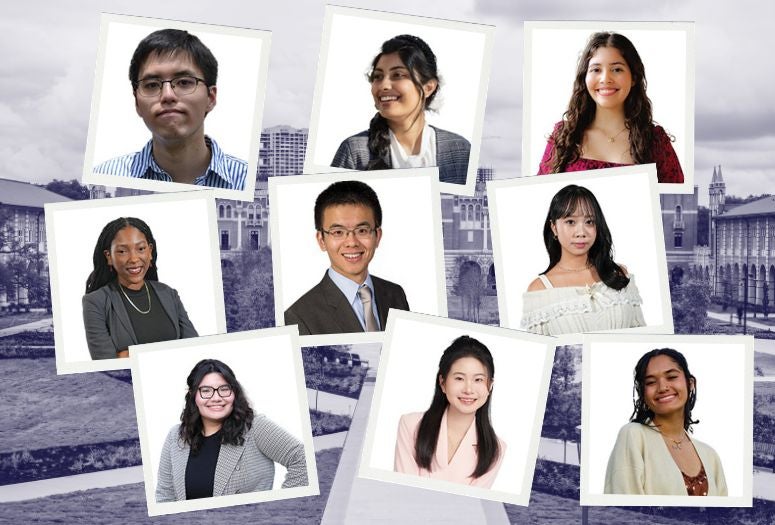
Each year, Rice’s Mellon Mays Undergraduate Fellowship supports a small cohort of students committed to expanding who and what gets represented in academic research. Working closely with faculty mentors over two years, fellows pursue original scholarship, build pathways toward graduate study, and contribute new perspectives to fields where voices like theirs have long been underrepresented. This year’s 10 seniors showcase the range and depth of Mellon Mays scholarship at Rice.

Sammy Baek
Baek researches the lives of enslaved people on Brazoria County plantations through digital humanities, working with Dr. Molly Morgan to turn archival survey reports into interactive ArcGIS StoryMaps. He has helped rewrite and preserve dozens of reports in the Rice Research Repository. After graduating in December, he plans to continue studying Texas plantation history in graduate school.
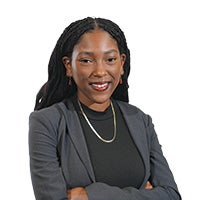
Asyiah Bray
Bray examines how Black women’s fiction of the early 1980s uses fashion as cultural critique, focusing on Gloria Naylor’s *The Women of Brewster Place* and *Linden Hills*. Her project argues that clothing and beauty function as commentary on race, gender, and class, positioning Black women’s literature as an alternative archive of style, survival, and social critique.

Wenshi Chen
Chen studies the global Algorave scene—live-coded electronic music performed in front of audiences—by combining fieldwork in San Francisco with interviews and hands-on experimentation in platforms like TidalCycles and Sonic Pi. Her research explores Algorave’s history, performance practice, and the creative tension between human musicianship and algorithmic processes within contemporary music communities.

Isabella Gonzalez
Gonzalez analyzes health disparities through the lens of culturally competent care, drawing on data from the 2023 California Health Interview Survey. She finds that Black and Native American respondents report high levels of perceived discrimination in healthcare, with communication and access improving outcomes for Black respondents but not for Native Americans—suggesting deeper structural issues at play.

Mariella Gonzalez Molina
Gonzalez Molina investigates how the Smithsonian’s 1964 exhibition *Hall of Everyday Life in the American Past* constructed a vision of American identity. Situating the display within the Civil Rights and Cold War era, she argues that its focus on domestic life played a defining role in shaping the institution’s narrative of what it means to be American.
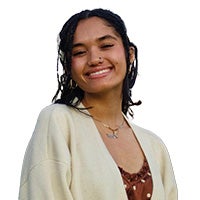
Avalon Hogans
Hogans examines preservation practices in Houston’s Freedmen’s Town through Theaster Gates’s installation *From My People and My Skin*. She argues that the work’s themes—labor, archives, and the “gaps” in Black history—offer a framework for understanding and protecting the neighborhood’s cultural legacy, proposing the concept of the “Black Line” to describe silences that hinder preservation.
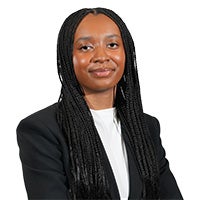
Kenzie Langhorne-Ajidahun
Langhorne-Ajidahun studies poetry published during Pauline Hopkins’s editorship of *The Colored American Magazine* (1900–1904), showing how it voiced communal grief, divine justice, and political resistance in the aftermath of Reconstruction. Her project traces how editorial shifts later muted this radical urgency, revealing the magazine’s role as both literary forum and political intervention.

Lana Nguyen
Nguyen explores shifting funerary traditions in the Vietnamese village of Điền Môn as economic pressures and urban migration reshape community life. Through interviews, oral histories, and observation, she finds residents divided: some see cultural change as an opportunity for new practices, while others mourn the erosion of long-held rites and local identity.

Samantha Peltrau
Peltrau traces the long lineage of Black vampires in literature and film—from the 1819 story *The Black Vampyre* to *Blacula* and Octavia Butler’s *Fledgling*—to interpret current works like *Sinners* and *Interview with the Vampire*. She argues that the Black vampire reveals how racial trauma, enslavement, and national belonging haunt contemporary genre storytelling.

Lajward Zahra
Zahra analyzes post-2016 border films that translate economic anxieties—foreclosure, medical debt, precarity—into narratives of cross-racial intimacy and emotional reconciliation. She argues that this “affective displacement” shifts attention away from structural crises, turning the border into a symbolic site for resolving national tension while obscuring the underlying political and economic forces.